One of the first things that comes to mind when thinking of families is children, and so for many couples, when a relationship ends, arrangements for the children is one of the most important things to consider.
Big questions can crop up like;
- who the children should live with,
- how often they should spend time with their other parent, and
- concerns from other members of the family who may want to see the children, such as grandparents.
The law in New Zealand governing how to approach these questions comes from the Care of Children Act 2004, also known as COCA. COCA sets out that the children’s welfare and best interests are the paramount consideration, which means ensuring the safety and wellbeing of the children as the first priority, over and above the wishes of what the parents may want.
At Blackwood Montagna we come across a wide range of queries regarding children and address some of the most common questions here:
I want my children to live with me, but my ex-partner wants the children to live with them.
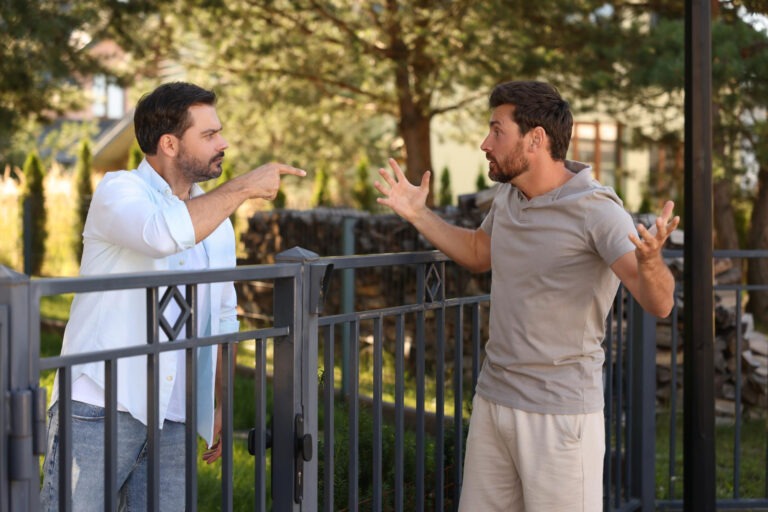
It’s always encouraged in the first instance to try and come to an amicable resolution with your ex-partner. This is because children can pick up on tension and disagreements between parents, and constant arguments can have an impact on their emotional and psychological wellbeing. However, we appreciate that it can be difficult to do this when the situation may be highly emotionally charged, and all parties are feeling upset. We can therefore assist in trying to reach an agreement with your ex-partner, either through their lawyer or with them directly, on your behalf. As stated, both parties should keep in mind that arrangements should be made which are best for the children, giving them the most stability and security.
If agreement is reached, it can be formalised by way of a Parenting Agreement, which we can draft for you. The Parenting Agreement will set out all arrangements relating to the children, including which days which parent sees the children, including consideration of special events like birthdays and Christmas.
My ex-partner has breached the Parenting Agreement, what can I do?
Unfortunately, although a useful tool if used well and followed by both parties, Parenting Agreements are not legally binding agreements. Therefore, if your ex-partner has breached the Agreement, we can reach out to them to try to reach a resolution and redraft the Agreement on different terms if agreeable by both parties. If resolution can’t be reached however, the matter may need to be progressed further.
Before either party can apply to the Court in relation to parenting arrangements, it is compulsory to take part in Family Dispute Resolution (FDR). FDR is a mediation-type setting whereby both parties attend to talk through the issues and see if they can reach agreement. An independent, third-party mediator is present to help guide the discussions and ensure conversations stay civil.
FDR can often be a way to reach an agreement without the stress and cost of going to Court, and it is compulsory unless there has been family violence or there are urgent issues that need adjudicating on. FDR is also fully funded so there is no cost in using it and is worth giving a shot before proceeding with litigation.
What if FDR doesn’t work?
If both parties have attended FDR and still can’t reach a resolution, there is the option to file an application with the Family Court. We would advise using this approach cautiously as it can be very expensive and time consuming. However, if agreement absolutely cannot be reached by the parties, a Parenting Order is the only outcome that is legally binding and enforceable upon both parties. A hearing would take place where both parties would put forward their positions, and a Judge would decide what Order should be made in relation to the children.
If either party breaches a Parenting Order, they can face penalties such as
- being fined,
- having the Order varied, or
- if they have taken the children and refused to hand them over to the other party, being issued with a warrant to return the children.
Serious breaches can even include imprisonment, especially if there is a risk of harm to the children.
I am a grandparent, what are my rights to see the children if my child and their ex-partner are no longer together?
Unfortunately, grandparents and other family members in New Zealand do not have an automatic right to see their grandchildren. However, again it is recommended to attend FDR to try and reach an agreement over arrangements to see the children.
If this doesn’t work, there is also the option to file an application at the Court, but before you can do so, you need to get permission from the Court, also referred to as ‘leave to apply’. Because COCA sets out that it is usually in the best interests of children to have a relationship with their family/whanau, the Court will consider this in determining whether it is in the best interests of the children to allow the grandparents to have (regular) contact with them.
These are just some of the queries and issues we can help with at Blackwood Montagna. If you have any questions over children, or other family law matters, please don’t hesitate to get in contact.